
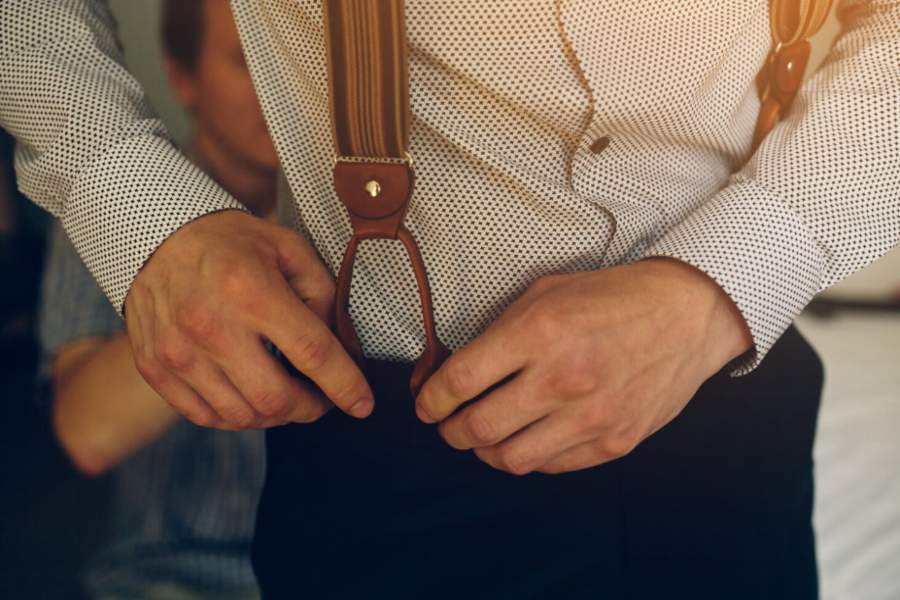
Leather is durable, but it isn’t indestructible, and it definitely isn’t low-maintenance in the way people sometimes assume. A leather corset or accessory that’s properly cared for can last for years and actually improve with age, developing a patina that fabric pieces never get. One that’s neglected will crack, stiffen, or lose its shape far faster than its price tag suggests it should. Here’s what actually matters when it comes to keeping leather pieces in good condition.
Understand What Kind of Leather You Have
Not all leather behaves the same way, and care routines that work for one type can damage another. Full-grain and top-grain leather are the most common choices for structured pieces like corsets, because they hold shape well and age attractively. Suede and nubuck, by contrast, are more delicate, more prone to water staining, and need different cleaning products entirely.
Before applying any cleaner, conditioner, or treatment, it’s worth checking the care instructions that came with the piece or asking the maker directly. Treating suede like smooth leather, or vice versa, is one of the most common ways people accidentally damage a piece they otherwise cared for properly.
The Basics: Cleaning Without Overdoing It
Leather doesn’t need to be cleaned often, and over-cleaning is more likely to cause damage than dirt is. For day-to-day maintenance, a soft, dry cloth is usually all that’s needed to wipe away dust and surface residue after wearing a piece.
For deeper cleaning, a dedicated leather cleaner — not household soap, not baby wipes, not all-purpose cleaning sprays — should be applied sparingly with a soft cloth, tested first on a small inconspicuous area. Household cleaning products often contain ingredients that strip natural oils from leather, which accelerates cracking over time rather than preventing it.
Conditioning: The Step Most People Skip
Leather conditioner is to leather what moisturizer is to skin — it replaces the oils that gradually evaporate with wear, exposure to air, and changes in humidity. Skipping this step is the single biggest reason structured leather pieces, like corsets with boning channels and tight seams, start to crack at stress points.
Conditioning should happen every few months for pieces worn regularly, and less often for pieces stored most of the time. Apply a small amount of conditioner with a soft cloth in circular motions, let it absorb fully, then buff with a clean cloth. Over-conditioning is possible too — leather that feels greasy or overly soft after treatment has likely had too much product applied.
Dealing With Moisture and Sweat
Because corsets sit close to the body, they’re exposed to more moisture from sweat than most leather accessories. This is one of the most overlooked care issues. Leather that’s been exposed to sweat and not properly dried can develop discoloration, stiffness, or even a slight odor over time.
After wearing a leather corset for an extended period, let it air out fully before storing it — never put it away while still slightly damp. A light wipe-down with a dry cloth on the interior-facing side helps remove residue before it has a chance to absorb into the material.
Storage Matters More Than People Expect
How a leather corset is stored between wears has a direct effect on how long it keeps its shape. Hanging is generally better than folding, since folding creates permanent crease lines in structured pieces. If hanging isn’t possible, the corset should be stored loosely, with the lacing slightly loosened, rather than left fully cinched and under tension while not being worn.
Avoid storing leather in plastic bags or airtight containers — leather needs to breathe, and trapped moisture in a sealed environment is one of the fastest ways to encourage mold or mildew. A breathable fabric dust bag is a much better option for long-term storage.
Hardware and Lacing Need Attention Too
Leather corsets often include metal grommets, buckles, or hardware that can tarnish or stiffen over time, especially with exposure to moisture. Wiping hardware down with a dry cloth after wear, and occasionally checking laces for fraying, prevents small issues from becoming bigger repair problems.
The Long-Term Payoff
Leather that’s properly cared for doesn’t just last longer — it actually looks better with age. The slight softening, the subtle changes in tone, the way it starts to mold to how it’s worn, are all part of what makes leather pieces feel more personal and more valuable over time than the day they were purchased. A few minutes of care after each wear is a small price for a piece that’s built to last for years rather than seasons.