
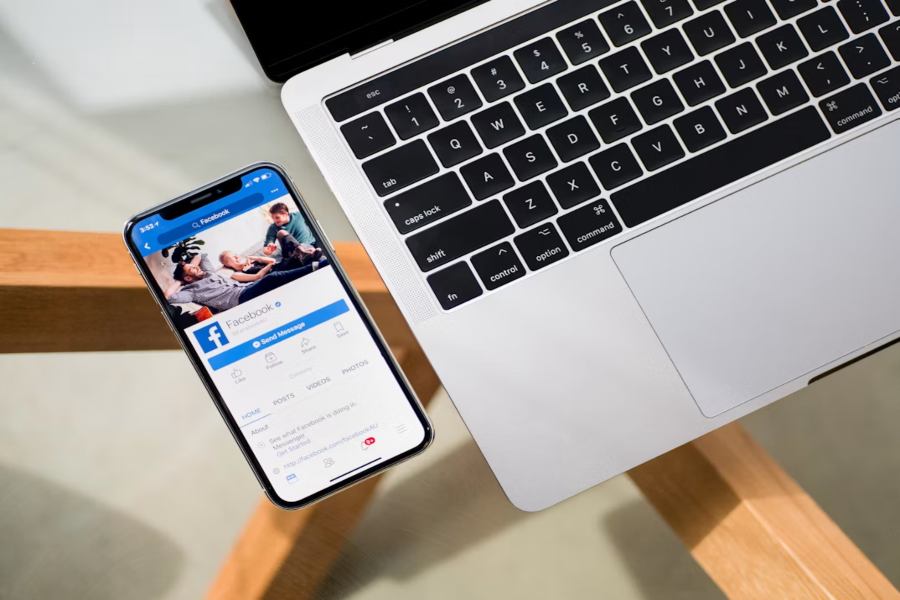
Facebook remains one of the most widely used social platforms for sharing posts, photos, videos, personal updates, group discussions, and public page content. For parents, this creates a natural concern: how much of a child’s online activity is visible to others, and what can be done to keep them safer online?
Many parents begin by checking what is publicly available. Public Facebook viewer tools can help users see open profiles, public posts, photos, videos, and pages without logging into Facebook. However, these tools have clear limits. They are designed for viewing public information only, not private messages, hidden posts, restricted profiles, or account activity.
That is why it is important to understand the difference between public Facebook viewing and parental monitoring. They are not the same thing, and each has a different purpose.
What Public Facebook Viewers Can Show
A public Facebook viewer is useful when someone wants to check information that is already visible to the public. Depending on the tool and the availability of public data, it may help users view:
- public Facebook profiles;
- public posts;
- publicly shared photos;
- videos available to everyone;
- public pages;
- open comments or visible interactions.
For parents, this can be helpful as a first step. It allows them to understand what strangers may be able to see when they search for a child’s name, profile, school, hobbies, or public posts.
This matters because many teenagers do not fully understand how much information they share publicly. A simple public profile check can reveal whether a child is exposing personal details such as location, school name, photos, family information, daily routines, or friend networks.
Public viewing tools can also help parents explain privacy risks in a practical way. Instead of speaking in abstract terms, parents can show what is visible online and discuss why privacy settings matter.
What Public Viewers Cannot Access
Public Facebook viewers have important limitations. They cannot show information that is private, restricted, hidden, or protected by Facebook’s privacy settings.
For example, a public viewer cannot provide access to:
- private messages;
- Messenger conversations;
- closed groups;
- private profiles;
- hidden posts;
- friend-only content;
- account passwords;
- deleted content;
- activity inside a private account.
This distinction is very important. A public viewer is not a hacking tool and should not be treated as one. It simply helps users see information that is already available publicly.
For parents, this means that public viewing can answer one question: “What can others see about my child online?” But it cannot answer another question: “What is happening inside my child’s account or device?”
Those are different concerns, and they require different approaches.
Why Parents Worry About Facebook Activity
Parents are often concerned about Facebook because social platforms can expose children and teenagers to different online risks. These risks may include unwanted contact from strangers, cyberbullying, inappropriate content, oversharing personal information, online scams, or emotional pressure caused by social comparison.
Some warning signs may include:
- sudden secrecy around online activity;
- emotional changes after using social media;
- communication with unknown adults;
- unusual friend requests;
- frequent deletion of messages;
- excessive screen time;
- posts containing personal or sensitive information;
- involvement in online conflicts.
Not every sign means there is a serious problem. However, these signals may show that a parent needs to pay closer attention, start a conversation, review privacy settings, or take additional steps to protect the child.
The best approach usually starts with communication. Children should understand why online safety matters, what kind of information should not be shared publicly, and how to respond when someone behaves suspiciously or aggressively online.
Public Visibility vs Device-Based Monitoring
A public Facebook viewer helps with external visibility. It shows what may be available to people outside the account. This is useful for checking public exposure.
Parental monitoring tools have a different role. They are typically used by parents or guardians to supervise a child’s device activity, understand online behavior, and detect potential risks. These tools may help parents review social media use, messages, visited websites, app activity, or screen time, depending on the product and device settings.
For families dealing with serious online safety concerns, a dedicated Facebook tracker for parental monitoring can provide a more structured way to review Facebook-related activity on a child’s device, especially when public viewing is not enough to understand the situation.
This type of tool should be used responsibly. The goal should not be secret surveillance or control for its own sake. The goal should be child safety, risk prevention, and responsible digital parenting.
When Parental Monitoring May Be Appropriate
Parental monitoring may be appropriate in situations where there is a clear safety concern. For example, parents may consider it when a child is very young, has already experienced cyberbullying, communicates with strangers online, receives suspicious messages, or shows signs of distress related to social media.
It may also be useful when parents need to set boundaries around screen time, prevent exposure to harmful content, or ensure that social media use does not interfere with sleep, school, or emotional wellbeing.
However, monitoring should be proportional to the child’s age, maturity, and risk level. A younger child may need more direct supervision, while an older teenager may benefit from a more transparent and trust-based approach.
In many families, the best solution is not silent monitoring but open rules. Parents can explain:
- what will be monitored;
- why monitoring is necessary;
- what behavior is considered unsafe;
- when monitoring may be reduced;
- how the child can ask for help.
This approach helps avoid turning online safety into a conflict. It also teaches children that digital responsibility is part of growing up.
Privacy and Legal Considerations
Before using any monitoring tool, parents should consider privacy and legal requirements in their location. Laws differ from country to country and sometimes from state to state. In many places, parents have more authority to supervise devices used by their minor children, especially if the device belongs to the parent or family. Still, the rules are not the same everywhere.
Monitoring should not be used to access another adult’s account without consent. It should not be used for stalking, spying on partners, stealing passwords, or bypassing privacy protections. These uses are unethical and may be illegal. When parents have genuine concerns about an adult interacting with their child, the appropriate step is a formal background inquiry through proper legal channels — not social media surveillance.
The responsible use case is parental safety: protecting a minor child from online risks while respecting reasonable privacy boundaries.
Parents should also remember that monitoring software is not a replacement for trust, education, and communication. It is only one tool within a broader online safety strategy.
How Parents Can Improve Facebook Safety
There are several practical steps parents can take before or alongside using any monitoring solution.
First, review the child’s Facebook privacy settings. Make sure personal posts are not visible to everyone. Limit who can send friend requests, who can see the friends list, and who can view past posts.
Second, check the public version of the profile. This helps parents understand what strangers can see without being connected to the child.
Third, discuss what should never be shared publicly. This includes home address, school location, phone number, private family details, travel plans, financial information, and sensitive photos.
Fourth, teach children how to block and report suspicious users. They should know that they do not have to respond to every message and that they can ask for help without fear of punishment.
Fifth, create family rules around social media. These rules may include screen time limits, no phone use at night, no accepting strangers as friends, and no posting personal information.
Finally, parents should keep the conversation ongoing. Online safety is not a one-time discussion. Social media platforms, privacy settings, and online risks change over time.
A Balanced Approach to Facebook Safety
The best approach to Facebook safety combines several methods.
Public Facebook viewers help parents understand what is visible from the outside. Privacy settings help limit unnecessary exposure. Conversations help children develop judgment. Monitoring tools may help when there is a real need for closer supervision.
No single method solves everything. A public viewer cannot show private activity. A monitoring tool cannot replace parenting. Privacy settings cannot prevent every risk. Communication alone may not be enough if a child is already in a dangerous situation.
That is why parents should use the right tool for the right purpose.
If the goal is to check what strangers can see, a public Facebook viewer may be enough. If the goal is to understand potential risks in a child’s social media activity, parental monitoring may be considered. If the goal is long-term safety, the best solution is a combination of awareness, privacy, communication, and responsible supervision.
Facebook can be a useful platform for communication, learning, and community. At the same time, it can expose children and teenagers to real online risks if privacy settings are weak or if they interact with unsafe people.
Public Facebook viewers and parental monitoring tools serve different purposes. Public viewers help show what is openly available online. Parental monitoring tools may help parents supervise a child’s activity more closely when safety concerns justify it.
For parents, the key is balance. Start with education and privacy settings. Use public viewing to understand external visibility. Consider monitoring only when it is appropriate, lawful, and focused on child safety.
Responsible digital parenting is not about control. It is about helping children use social media with more awareness, confidence, and protection.