
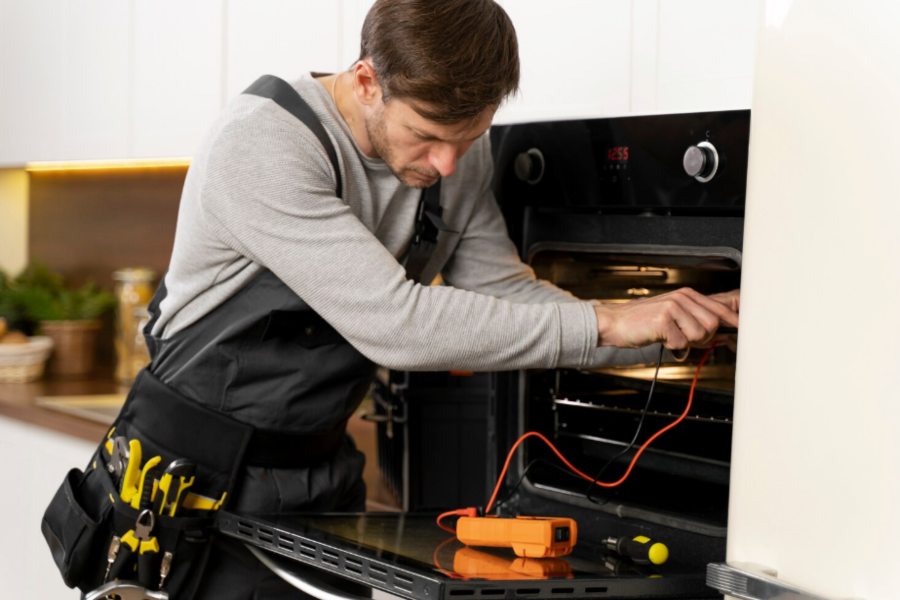
Most appliance problems do not start as big failures. They begin with small signs. A dryer takes longer. A dishwasher leaves food behind. A refrigerator gets noisier. Good maintenance cannot prevent every breakdown, but it can reduce stress, improve performance, and help appliances last longer. Homeowners who need help beyond basic care can contact Truetechappliance for professional diagnostics and repair.
The kitchen routine
Kitchen appliances work hard every day. Grease, crumbs, moisture, and heat can affect how they perform. Simple cleaning habits make a difference.
For refrigerators, keep the door gasket clean. A dirty or damaged seal lets warm air inside. The compressor then works harder. Also avoid blocking the vents inside the fridge. Cold air needs space to move.
For dishwashers, scrape plates before loading. You do not need to rinse everything perfectly, but large food pieces should not go into the machine. Clean the filter if your model has one. A clogged filter can cause poor cleaning and bad smells.
Refrigerator care during busy weeks
The refrigerator often works harder after grocery shopping. Warm food, full shelves, and frequent door opening can raise the inside temperature. Try not to block air vents with large containers. Leave small gaps between items so cold air can move.
Also check the door seal from time to time. If a dollar bill slips out too easily when the door is closed, the gasket may not be sealing well. A weak seal can make the refrigerator run longer and use more energy.
Oven and range care
Ovens and ranges need attention too. Spills should be cleaned before they burn again and again. Burned food can create smoke and odor. On gas ranges, burner caps should sit correctly. On electric cooktops, damaged elements or loose controls should be checked.
Good habits include:
- wiping spills after the appliance cools;
- keeping burner areas clean;
- checking that knobs turn smoothly;
- watching for uneven heating;
- not using foil in unsafe places;
- calling service for gas smell or ignition delay.
Gas issues should never be ignored. Safety comes first.
Laundry appliances need airflow and balance
Washers and dryers fail faster when they are overloaded. A washer that is packed too tightly can shake, strain the motor, and wear out suspension parts. A dryer with poor airflow can overheat and take too long to dry.
For washers, use the right amount of detergent. Too much soap can leave residue inside the machine. It may also create odors and drainage problems.
For dryers, clean the lint screen after every load. Also check the outside vent. If airflow is weak, the dryer may need vent cleaning or repair.
Small laundry habits that help
A few habits can reduce wear on laundry appliances:
- Do not overload the washer drum.
- Use high-efficiency detergent if the machine requires it.
- Leave the washer door open after use to reduce odor.
- Clean the dryer lint screen every time.
- Separate heavy towels from light clothing.
- Check dryer airflow if cycles become longer.
These steps are simple, but they prevent extra strain on motors, belts, bearings, and heating parts.
Watch the sounds
Appliances often “talk” before they fail. A new sound can mean a loose part, worn bearing, failing motor, or airflow issue. Not every noise is urgent, but changes should be noticed.
Call for service if you hear:
- Grinding from a washer.
- Loud buzzing from a refrigerator.
- Scraping inside a dryer.
- Clicking from an oven control area.
- Rattling that gets worse over time.
The earlier the cause is found, the easier the repair may be.
Do not ignore water
Water near an appliance is never something to leave for later. A small leak can damage flooring, cabinets, and walls. Dishwashers, refrigerators with water lines, and washing machines should be checked quickly if water appears.
Look at hoses from time to time. Replace cracked or swollen hoses. Make sure the washer is level. Check under the dishwasher if you notice a musty smell.
Make maintenance part of the month
You do not need a complicated schedule. Once a month, look over the main appliances. Check for leaks, smells, noises, weak performance, and long cycles. Clean filters and vents where needed. Keep appliance areas clear.
It also helps to keep appliance manuals or model numbers in one place. If a repair is needed later, this information can speed up the process. Model numbers are useful for part lookup and accurate diagnostics.
Small habits are easier than emergency repairs. They also help you notice problems while they are still manageable, instead of waiting for the appliance to stop in the middle of a normal day.