
There’s a moment every marketing manager knows well. You spend three weeks building a campaign, the copy is tight, the targeting is dialed in, the landing page looks good. It goes live. And then you wait. You watch the bounce rate. You check the form submissions. You refresh the dashboard.
And the leads that come through? Half of them are people who filled out the form at 11 PM, got an automated “thanks, we’ll be in touch” email, and by the time your sales rep followed up the next morning, had already moved on to a competitor.
That delay, that gap between a prospect’s moment of genuine interest and the moment a human actually speaks to them, has quietly been one of the most expensive problems in marketing. Not because anyone designed it that way. Just because, until recently, there wasn’t a good way around it.
That’s starting to change, and the change is coming from a direction most marketers didn’t expect: conversational AI.
The Old Funnel Was Never Really a Conversation
The traditional marketing funnel is built around a fiction, the idea that a prospect will move through stages at your pace. Awareness. Consideration. Decision. Each stage has its content type, its nurture sequence, its scheduled touchpoint.
The problem is that real buyers don’t move that way. They jump stages. They go dark for two weeks and come back with urgent intent. They have a specific question at 9 PM on a Friday that isn’t covered in your FAQ, and if they don’t get an answer fast enough, they go find one somewhere else.
Forms and email sequences can’t handle that. They’re asynchronous by design. You capture the lead, you nurture it on a schedule, and you hope the timing works out. Often it doesn’t. The prospect’s intent peaks at a moment when your system is sending a Tuesday morning “educational content” email that they didn’t ask for.
Conversational AI addresses this at the structural level, not just the tactical one. Instead of capturing and deferring, it engages immediately, asking the right questions, surfacing the right information, and moving the prospect forward in the moment they’re actually there.
What Marketers Are Actually Using It For
It’s worth being specific here, because “conversational AI for marketing” can mean a dozen different things depending on who’s talking.
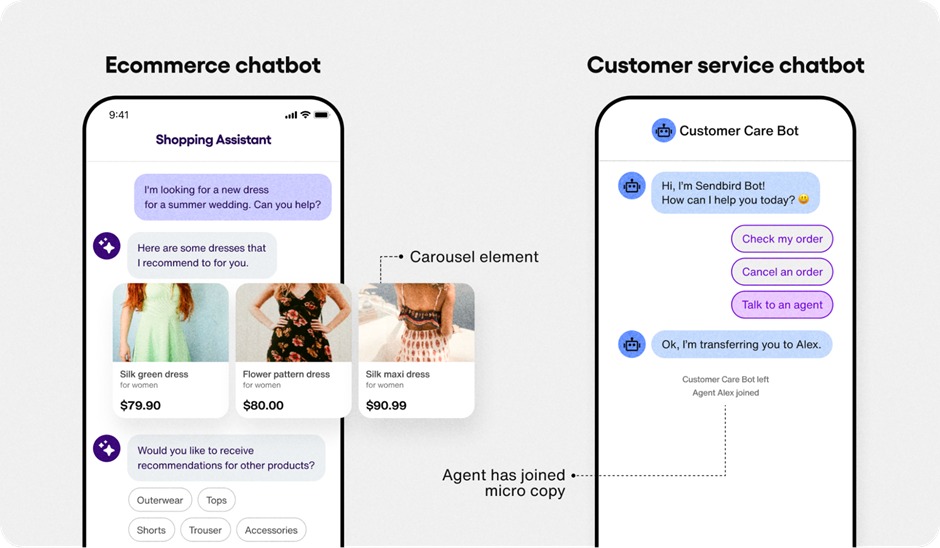
The most direct application is lead qualification. A visitor lands on a pricing page. Instead of a static form with six fields, a voice or chat agent opens a conversation — asks about company size, use case, timeline. Within two minutes, the system has figured out whether this is a high-intent prospect worth routing to a sales rep right now, or someone earlier in their research who’d benefit from a case study and a follow-up in two weeks. The qualification happens at the moment of interest, not 18 hours later when a rep digs through that morning’s form submissions.
A second application that’s growing quickly is campaign-level engagement. Instead of sending a promotional email that links to a landing page that links to a form, some teams are now running campaigns where the call-to-action opens a conversation directly. The prospect replies to a question, the AI responds with something specific to what they said, and the interaction qualifies and converts within a single thread. Open rates and reply rates on conversational campaigns consistently outperform traditional email flows, partly because they feel less like broadcast and more like dialogue.
The third area — and arguably the most underappreciated, is what happens after a lead converts. Onboarding experiences built around conversational AI can walk a new user through setup in natural language, answer the specific questions they have rather than presenting a generic tutorial, and catch confusion before it becomes churn. For SaaS companies especially, this is where a lot of the retention value sits.
Platforms built specifically for marketing workflows, like Murf’s conversational AI for marketing, are handling all three of these use cases — lead capture, campaign engagement, and post-conversion onboarding, through voice and chat agents that integrate with existing CRM and analytics tools rather than sitting outside the stack.
Why This Is Harder Than It Looks
It would be easy to read all of this and conclude that conversational AI is just a faster form. It isn’t, and the difference matters for how you approach implementation.
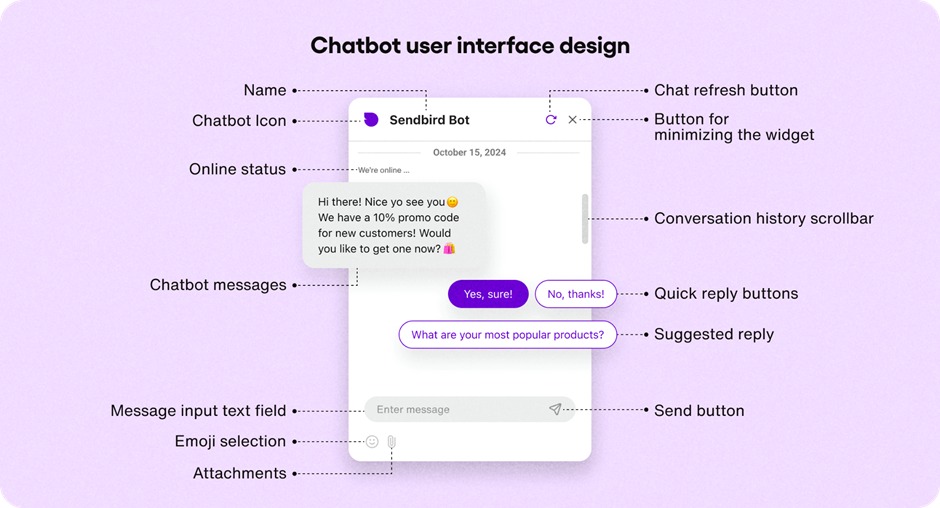
A form is passive. It waits for the user to fill it in correctly and submit it. A conversational agent has to do something much harder — it has to listen to what someone actually says, figure out what they mean even when they phrase it unexpectedly, and respond in a way that moves the interaction forward without feeling scripted or robotic.
The failure mode that most teams hit first is rigidity. They build a conversation flow that works perfectly for the prospect who follows the expected path, and falls apart the moment someone asks something slightly off-script. The agent either gives a generic non-answer or escalates immediately to a human, which defeats the purpose.
The teams doing this well are the ones who invest in what the conversation needs to handle before they think about the technology. They map out the real questions prospects ask at each stage, not the polished FAQ version, but the actual words people use in sales calls and chat logs. They define the moments where the agent should hand off to a human rather than trying to handle everything. And they treat the first three months after launch as a data-collection exercise, not a finished product.
The other challenge is voice quality in contexts where audio actually matters. A text-based chat agent can get away with slightly awkward phrasing because the user is reading and can re-parse a sentence. A voice agent that sounds flat, rushed, or mispronounces something specific to your industry creates an immediate credibility problem. The investment in getting the voice right isn’t cosmetic, it’s functional.
The Data Problem Nobody Mentions
There’s a benefit to conversational AI that shows up in case studies but doesn’t get talked about enough in practical terms: the data it generates.
Every conversation a prospect has with an AI agent is structured, searchable, and analyzable in a way that a phone call transcript or a CRM note isn’t. The agent captures what questions people actually ask at each stage. It records where conversations stall or where prospects disengage. It surfaces the objections that come up repeatedly — the pricing question that derails 40% of mid-funnel conversations, the competitor comparison that gets raised in almost every enterprise inquiry.
That data, fed back into campaign strategy, content planning, and sales enablement, is worth more than most teams realize when they’re evaluating whether to implement conversational AI. The efficiency gains from faster lead qualification are measurable and fairly immediate. The strategic insight from understanding what your prospects are actually thinking, at scale, compounds over time.
What’s Actually Changing and What Isn’t
Conversational AI isn’t replacing marketing strategy. It’s not replacing the judgment that goes into deciding which segments to target, which messages will resonate, which offers are worth testing. Those decisions still require human thinking, and they probably always will.
What it is replacing, slowly, and unevenly across different teams and industries, is the dead time between a prospect’s intent and a meaningful response. The lag between a lead coming in and someone qualifying it. The gap between a user signing up and understanding how to get value from the product. The silence between a campaign going out and anyone actually finding out what the audience thought about it.
For marketing teams that have built entire processes around managing that dead time, nurture sequences designed to keep prospects warm, SDRs whose job is to follow up on form submissions, onboarding calls scheduled days after signup, the operational implications are real. Not because jobs disappear overnight, but because the work shifts. The SDR who was calling through a list of form submissions can focus on the conversations the AI can’t handle, the complex, relationship-heavy, high-stakes discussions where a human being is actually better.
That shift is already underway in the teams paying attention to it. For everyone else, the risk isn’t that conversational AI will disrupt their marketing. It’s that their competitors’ conversational AI already is.