

If your referral links aren’t converting, the problem isn’t the offer.
It’s the timing and placement.
For SaaS companies, a highly organized referral system becomes one of the most essential growth engines. There is an evident change from “happy customers” to “brand advocates” for every business that prioritizes referral systems over paid acquisition. Here, you can generally bring in more new customers through word-of-mouth or a trust-based approach.
That’s what referral marketing is all about. Recommendation of products builds credibility because the proof of use is clear and compelling. As a result, conversion increases and typically happens more quickly than traditional advertising. Recently, studies have revealed the effectiveness of referrals by emphasizing that customers are “4x more likely to convert” compared to leads from other channels. Hence, well-executed marketing strategies are a must.
Yet, you also need to remember that having a referral program is only a part of the process. It is not enough that you have launched a customer referral initiative without considering the proper placement of links in the product. That’s why timing, intent, and context should always be a top priority.
In this post, we will explore the following points:
- Moments with the highest intent to ask for referrals
- The customer journey and where to post referral links
- How to scale practical referral marketing ideas without intruding on users
- Valuable metrics to validate the referral link placements’ effectiveness
If you’re wondering where to post referral links inside a SaaS product for maximum conversions, this guide will show you exactly where and why.
The Highest Intent Moments to Ask for a Referral
Before we explore the top placements, we need to grasp when a user is most likely to refer your product and where to share referral links.
Here’s one thing you also need to know: the key to referral marketing is to find when a user has recently experienced value. These moments are when your product efficiently assisted or solved a user’s problem.
Some of these include when they completed onboarding, when they have achieved a milestone with your product, when they have saved a significant amount of time utilizing automation, when they have successfully collaborated with others, or when they have received positive results from analytics or reports.
These are emotional triggers. When a user feels a sense of fulfillment, recommending your product is a no-brainer. They will do it right away, without an ounce of doubt.
Therefore, many top referral marketing tips emphasize the timing of referral links rather than their frequency of sharing. The goal is to find when a user is already satisfied with your product to serve as your best referral marketing strategy through word of mouth.
Now, let’s move on to explaining the best approach for where to share referral links.
The Best Referral Link Placements Across the Customer Journey
1. Right after the first value moment
Referral links should ideally be posted right after a user has used the product for the first time and experienced one of its most visible benefits.
What is “the first value moment”?
For SaaS, this is when the user experiences the core value of the product.
For example:
- Briefly generating their first analytics report
- Completing their first automation workflow
- Making their first connection with an integration
- Exporting their first design
- Publishing their first project
For instance, after creating a design and distributing it, the app could provide the user with a recommendation to share the app with those in their organization who may benefit.
Sample of a Referral Prompt: “Congratulations on your first automated process! Know someone who will benefit from automating processes as well? Invite them and earn credits.”
It’s essential to emphasize celebrating successes rather than making a request for promotion.
Metrics to Assess:
- Conversion rate of users referred
- Click rate for referring users on time saved from almost all of their automated processes
- The percentage of users using the referral link to share with other potential customers.
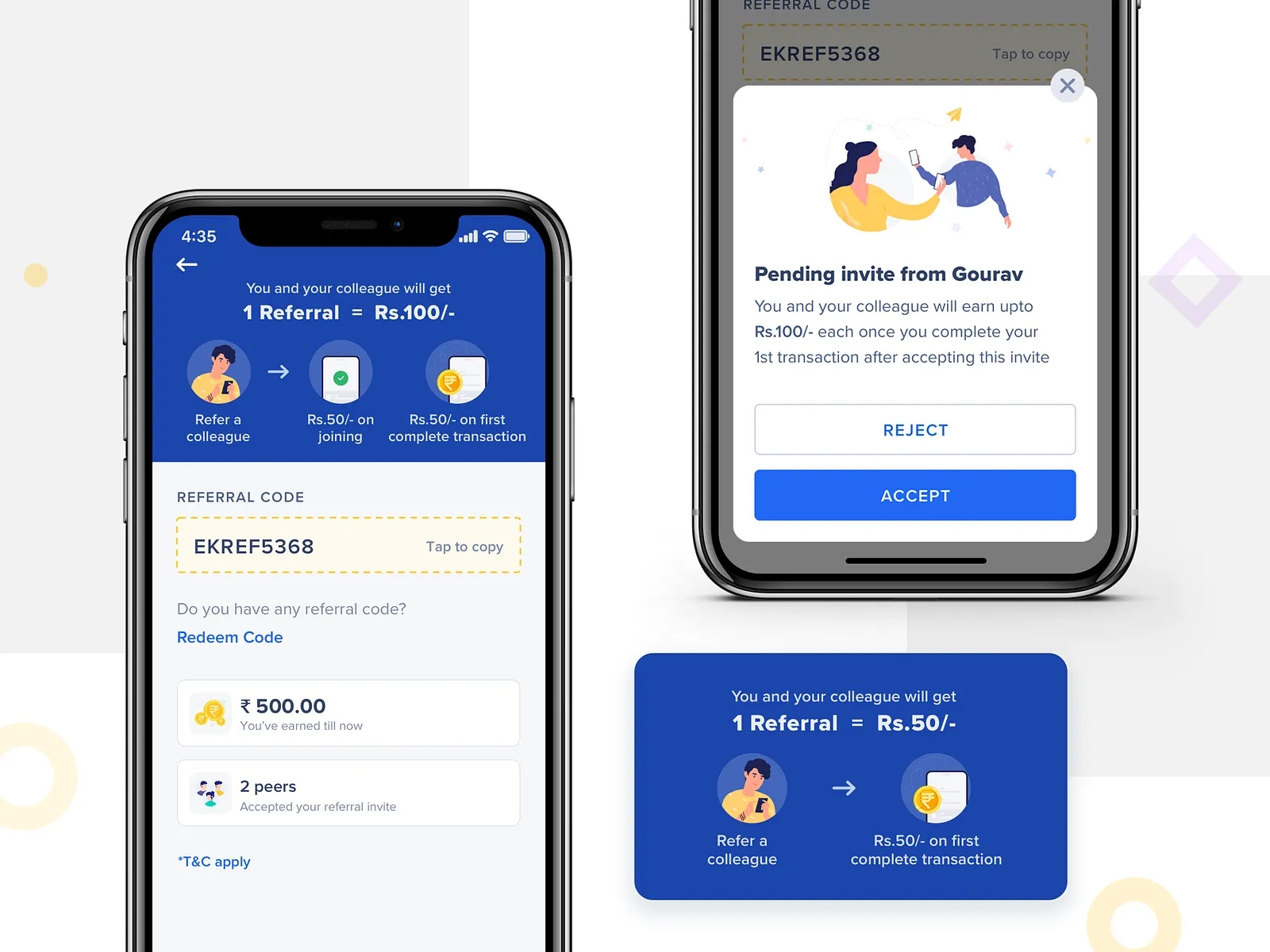
2. Onboarding completion screen
Another great opportunity to promote referral links is when new users are done with their onboarding process. Meaning, they have successfully had:
- A good understanding of how the product works
- All initial setup tasks are completed.
- A feeling of momentum and excitement
These moments create a point of entry into the product where introducing a customer referral program makes perfect sense.
Now, you might ask: what activities count as being done with onboarding? Onboarding differs by SaaS products, but they generally include:
- Integrating the necessary applications to use the SaaS
- Creating their first space within the SaaS
- Uploading the necessary documents to make use of the SaaS
- Inviting their coworkers to join them using the SaaS
When a user completes all of these activities, they should have enough confidence in the product to refer it to someone else.
Sample Referral Prompt: “You’re good to go! Grab some friends and receive 20 credits for each one that signs up.”
Metrics to Assess:
- Referral clicks (post-onboarding)
- The total number of invites sent by all users.
- Percentage of registered onboarders (out of total onboarders) who use referral links.
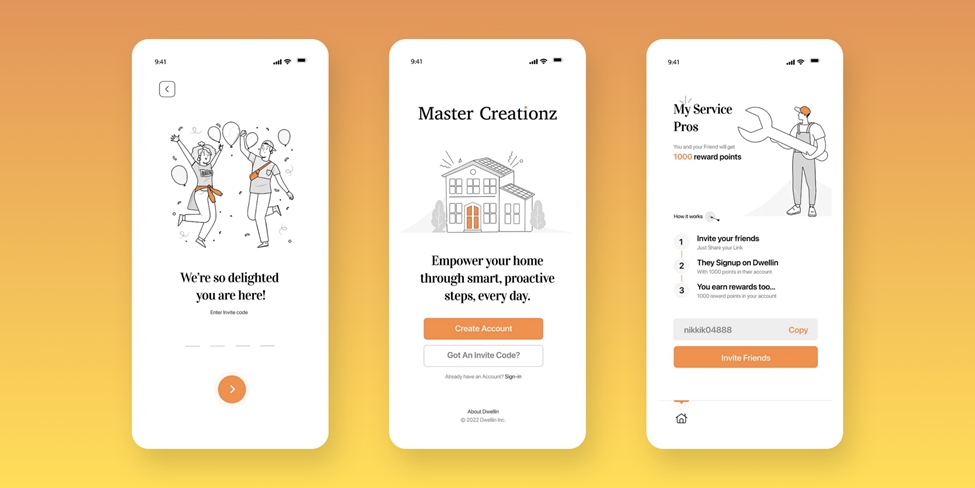
3. Primary navigation or sidebar
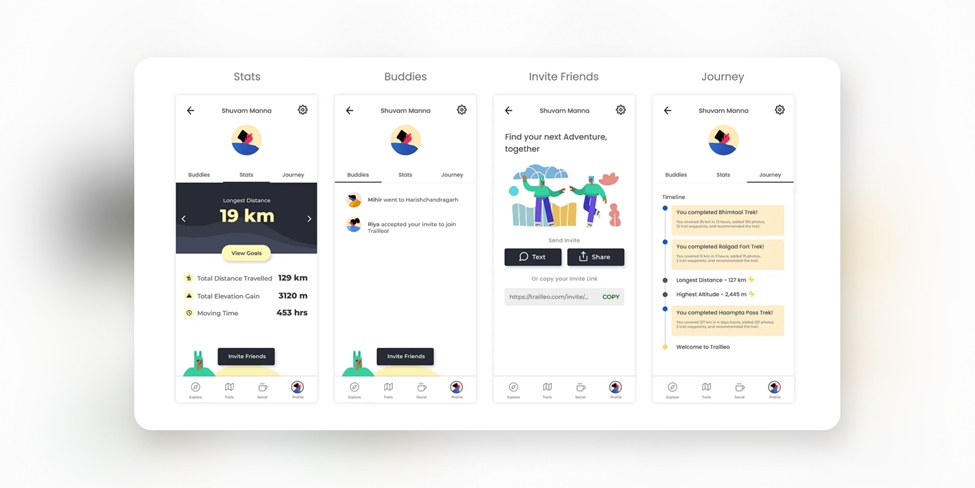
One of the most straightforward and effective referral marketing ideas is to include referral links directly in your product’s primary navigation.
Pushing for a staple “Refer & Earn” or “Invite Friends” menu item eliminates reliance on popups as the only way for users to find this feature. Users will always be able to find this feature, as it will be easy to locate and read.
The Importance of Discoverability
If a user is satisfied with a product, they are likely to recommend it; however, users do not usually spend time searching for ways to refer. If they do not know where to share referral links, or if referral links are hidden in deep menu items, you will definitely lose them.
Hence, you should remember this as one of the best referral marketing tips: maximize navigation as a direct placement for referral links because there will be no barriers preventing them from sharing their experiences.
Navigation links are as good as their words. A few minor changes to navigate to an invite will make a big difference.
Effective Navigation Labels
Examples:
- Call your friends!
- Invite to unlock…
- Give $20, Get $20
- Share and Earn
- Refer Us
These strategic lines reduce friction and amplify the value of referral marketing ideas that reward both sides.
Measure to Assess:
- Click rate on links from navigation referring to the invite
- The number of invites sent by each user
- Revenue from referral users
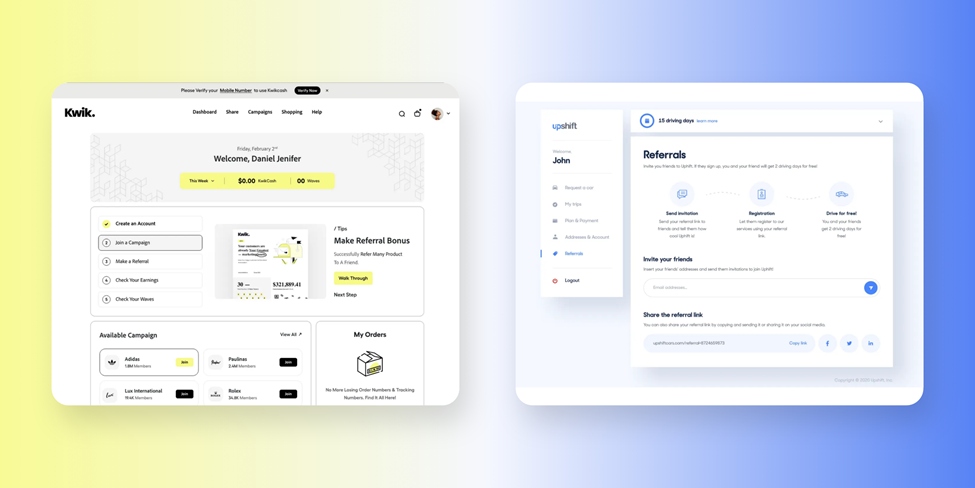
4. In product collaboration moments
If you are still looking for where to post referral links, then it is within your reach. Referring people through collaboration is a very natural way to pass out referral links. This idea is coming from the fact that the act of inviting someone to collaborate is one of the best ways to recommend a product you trust.
For example, when you ask team members to join your workspace, add collaborators to a project, share documents, and create community dashboards, these flows represent a powerful opportunity for referral behavior to occur in an organic, efficient approach.
Strengthening Collaboration Moments
Collaboration often arises from small successes gained by using the product. For example, if a user finishes a task quickly, like editing an image with a background remover or a customizable template, they’ll often want to share what they’ve created with other teammates immediately.
The act of sharing is a seamless way to introduce referral links into the experience without interrupting the user’s flow.
Sample Referral Prompt: “Add a teammate to collaborate! If they join using your referral link, both of you get additional storage.”
This type of strategy takes the normal behavior of product usage and converts it into referral marketing.
Metrics to Assess:
- The number of invitations sent through collaboration flows
- Conversion rates of invited users
- Revenue produced from collaboration referrals
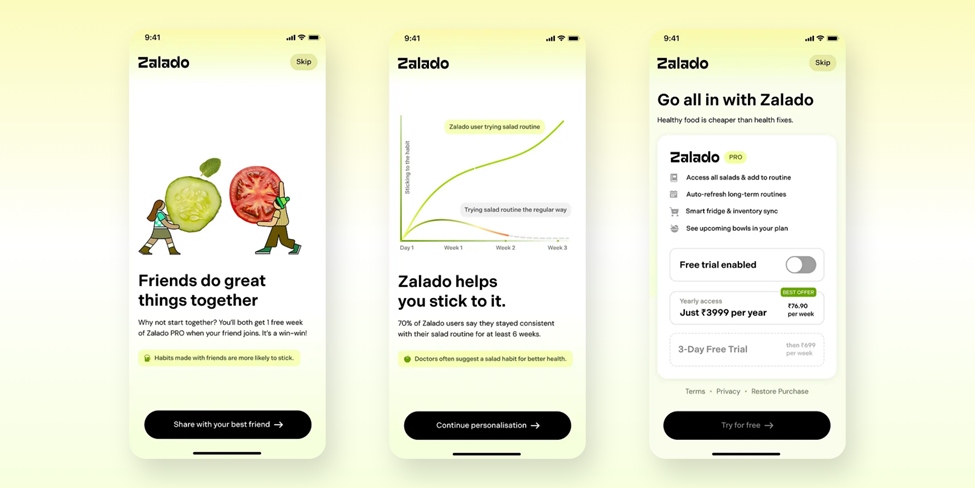
5. Billing upgrade or plan comparison
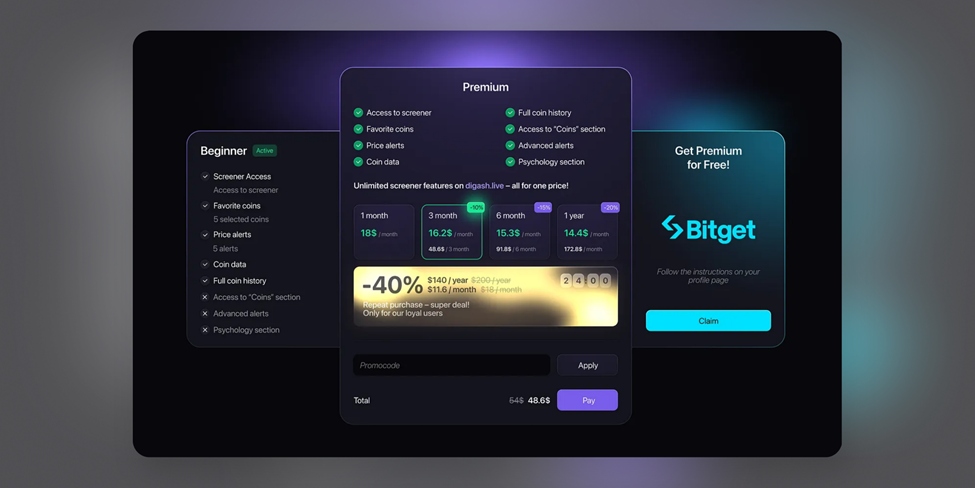
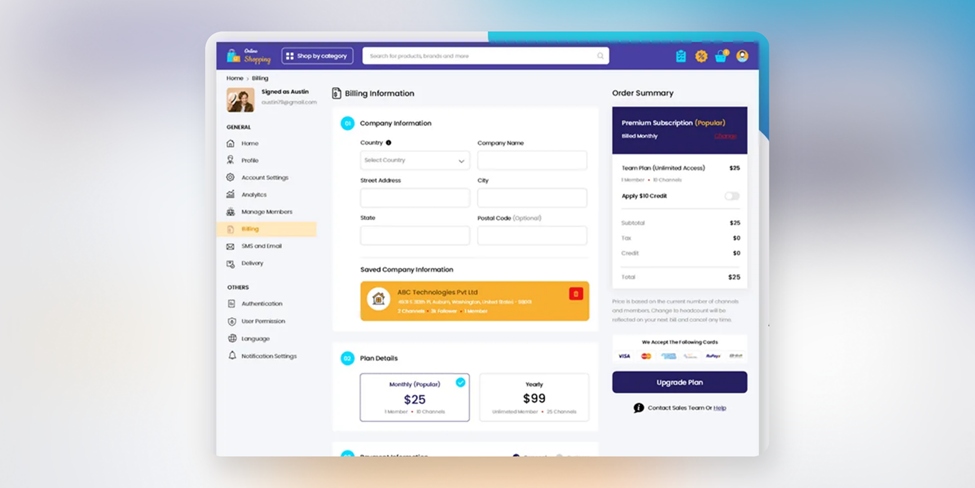
Another excellent area where you can place your referral links is on billing pages. At this point in their customer journey, users have an established connection with your brand. Thus, they know the value of the service or product, they believe in it, and they are going to spend money.
But just like the other referral marketing tips, your integration of referral links should always be secondary and not the primary call to action.
Placement Strategy: Place referral prompts near pricing information without distracting from the upgrade.
Example Layout:
- Upgrade call to action
- Plan comparison
- Small referral prompt below
Sample Referral Prompt: “Want to reduce your subscription cost? Invite friends and earn credits toward your next billing cycle.”
This is a great customer referral program treatment because there is a solid foundation already. The confidence level is high; thus, that’s the button you want to push to bring your referral initiative even further.
Metrics to Assess:
- Referral shares triggered from billing pages
- Average credits earned per user
- Impact on retention
6. Weekly or monthly usage summary email
Using lifecycle emails as a means for sharing referral links is typically an overlooked opportunity. But the truth is, you should not miss this entryway because people love updates.
Usage summary reports usually generate a larger number of opens because users are typically interested in their performance.
Emails related to usage summaries usually include the following:
- Analytics results
- Productivity metrics
- Growth milestones
If a small referral section is included in these emails, happy users could become promoters.
Making the Referral Feel Like an Accomplishment
The objective should be to relate the user’s referral prompt to actual use.
Sample Referral Prompt: “This week, you used automation to save 5 hours of time and completed 12 tasks with a remove bg feature.”
This confirms the value they received before introducing the prompt for the referral.
Another good example of the actual text we would use for the referral: “You just saved x hours using automation this week! Do you know anybody else who could use the same benefit? Share your referral link for some rewards!”
Metrics to Assess:
- Email Click-Through Rate
- Click Rate of the Referral Link Included in Email
- Total sign-ups generated by referrals.
7. Reward earned or milestone achieved screen
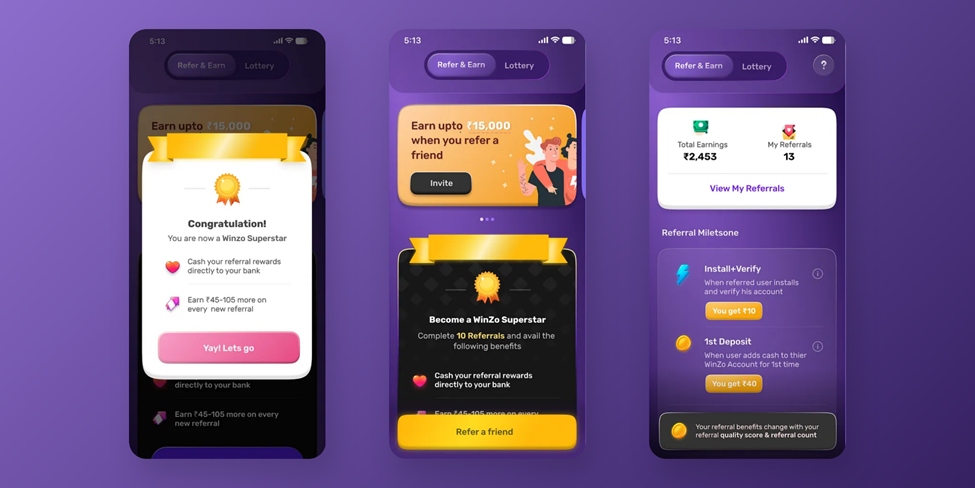
Finally, another powerful tip for where to post referral links is on reward or milestone screens. This referral marketing creates a cyclical method whereby users are prompted to invite more than one time; they are encouraged to do so repeatedly over a period of time.
This chance is important to grab because you are leveraging a successful referral. And since they have enjoyed the reward, the tendency to do it again is higher than ever.
For example:
- “$20 credit in referral…”
- “3 friends invited…”
- “Your organization completed 100 projects.”
The celebratory moments are extremely effective from a psychological point of view, as they provide users with a sense of progress, achievement, and satisfaction that will make them even more likely to refer more people to your company’s product.
How milestone-based referrals function
A successful customer referral program establishes a way to integrate “referring” into the product’s experience.
When customers achieve a milestone, they will typically:
- Able to buy into the product more readily
- More emotionally attached to the product
- Better able to provide an authentic recommendation
Milestone-based referrals are robust referral marketing ideas because they tie the acts of sharing with a real victory. Simply, you turn a usual notification into a golden opportunity, and that’s a great move.
Sample Referral Prompt: “Congratulations! You earned 20 credits! Share your referral link to earn even more.”
Your goal will be to memorialize the achievement, but not to pressure users into giving referrals.
Metrics to Assess:
- User repeat referrals
- User percentages making more than 1 referral
- Time from milestone to referral event
- Cost to acquire new users via referral rewards
How to Scale Referral Placement Without Annoying Loyal Customers
Referral programs always fail when prompts become intrusive. Therefore, the ideal referral marketing tips focus on respecting the user experience all the time.
1. Use intent-based triggers instead of constant reminders
Never do your prompts out of eagerness or being too aggressive. Your users will know your intentions. So, always trigger referral prompts only when meaningful actions allow.
Examples:
- If they have completed a workflow
- If the users celebrate a specific project milestone
- If they have enjoyed an efficient and time-saving automation
2. Respect “No.”
In any aspect, respecting boundaries is a must. Thus, if a user dismisses a referral prompt, avoid showing it again to them right away. The more you annoy them, the more you will miss the chance to drive them to the action you want.
Good referral systems include:
- Cooldown periods
- Preference controls
3. Segment who sees prompts
Important thing to note: Not every user wants to see your prompts.
There’s always the right place for posting referral links and for whom. You do not want to waste your time and effort targeting people who will just disregard your message. So, it’s better to strategize and latch onto people who are most likely to bite your prompts.
Better laser focus on:
- Active users
- Satisfied customers
- High retention segments
4. Rotate placements instead of stacking them
Rotate your placements and elevate your strategy on where to share referral links. Instead of showing them everywhere at once, think about how you will hook and catch them across locations. This treatment is crucial because you can assess where your people are and what makes them click.
You will never fail to find them in the following:
- Onboarding
- Milestone screens
- Emails
- Navigation panels
Overall, this prevents user fatigue while still maintaining your visibility.
Turn Users Into Advocates
People love incentives and recommendations, and that’s your biggest insight to take in when it comes to referral marketing. At its core, this approach works because the most reliable word you can cling to is the one that comes from your trusted friends, which not even an ad can top.
The numbers back it up because 92% of consumers believe referrals from people close to their hearts. This figure only means one thing: referrals are one of the most effective ways to level up your game in this highly competitive SaaS landscape.
Now, your key to conquering is to understand where to share referral links and be strategic enough to know where your audiences are and when they will most likely vouch for your product.
Overall, here’s a quick recap of where to post your referral links:
- After the first value moment
- On onboarding completion screens
- In navigation sections
- During collaboration flows
- On billing pages
- Inside lifecycle emails
- On milestone or reward screens
If you can do this the right way, referrals will become an avenue for more users to experience your product. Your approach should not feel like another marketing tactic that takes advantage of them or disrupts their journey.
Needless to say, ensuring people feel supported with the use of your product will open an opportunity for creating referrals easily. And at this point, the referral has transformed from a simple program into your engine for growth.